
June, Reflected
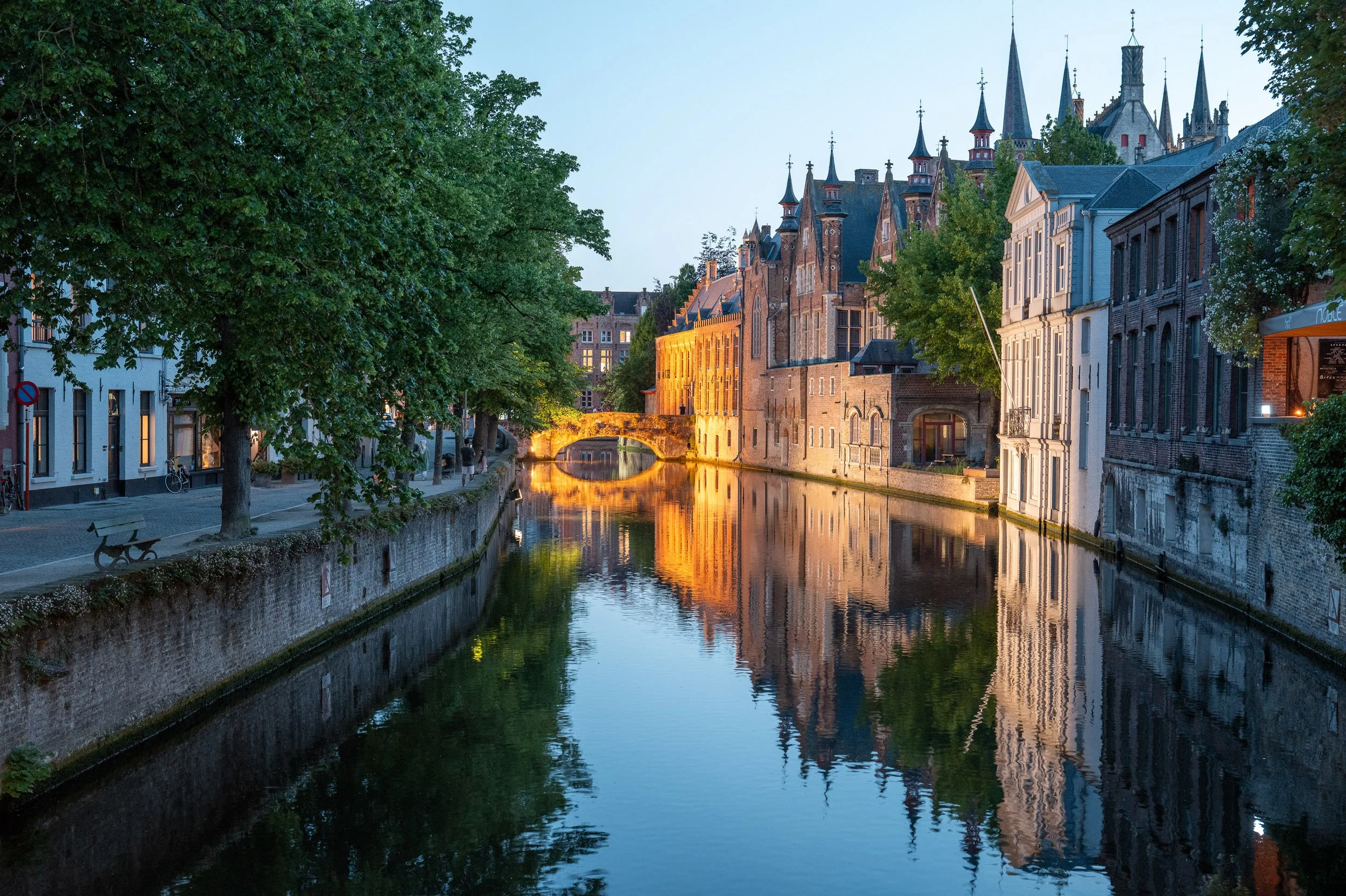
Some places feel connected long before they appear obviously related.
Moving between Bruges and Louvre-Lens, I started noticing quiet echoes rather than obvious similarities. Buildings returned in water. Trees softened glass. Different places, different surfaces, yet similar moments of stillness. Reflections became less about mirrors and more about relationships — between nature and architecture, movement and stillness, the ancient and the contemporary.
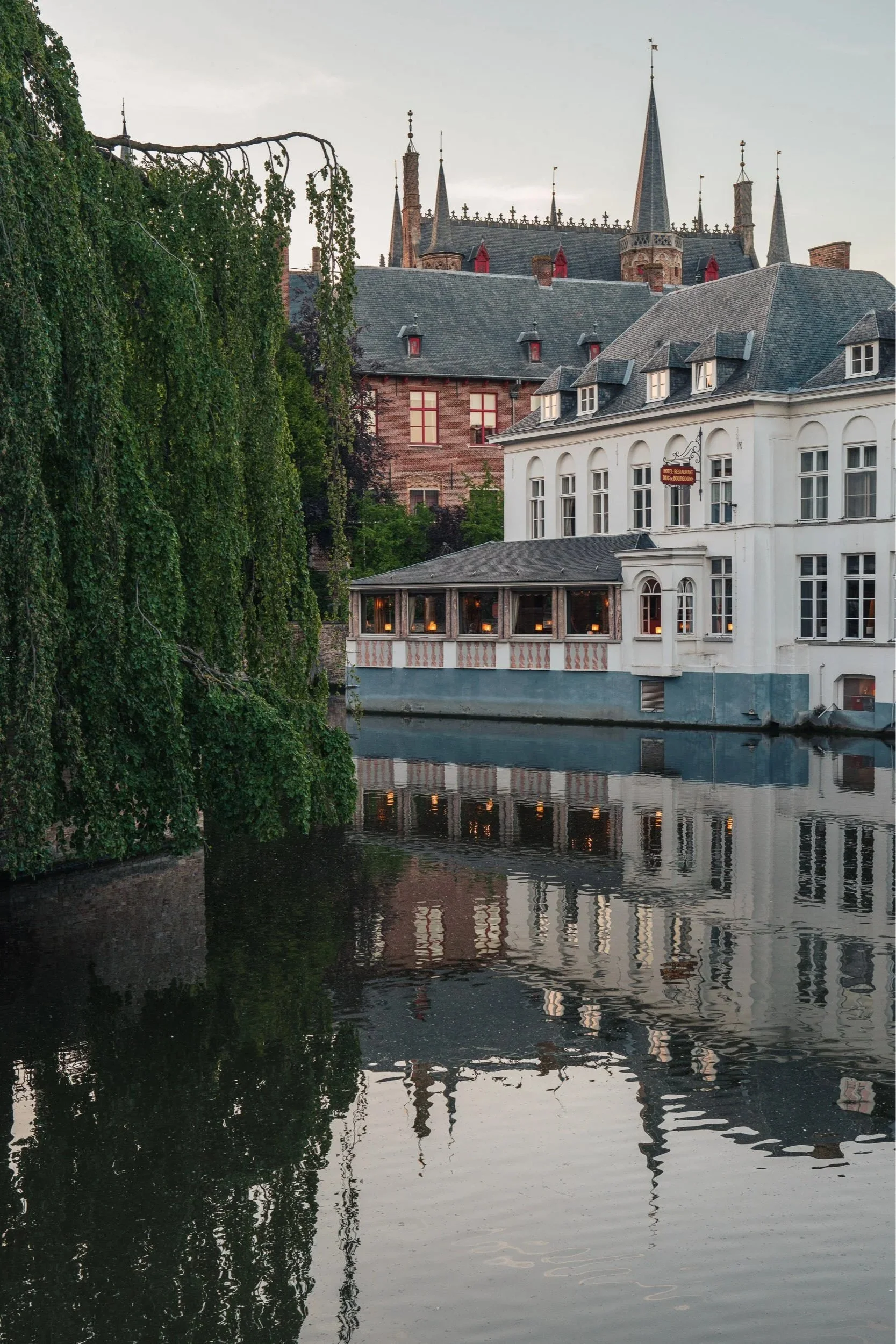
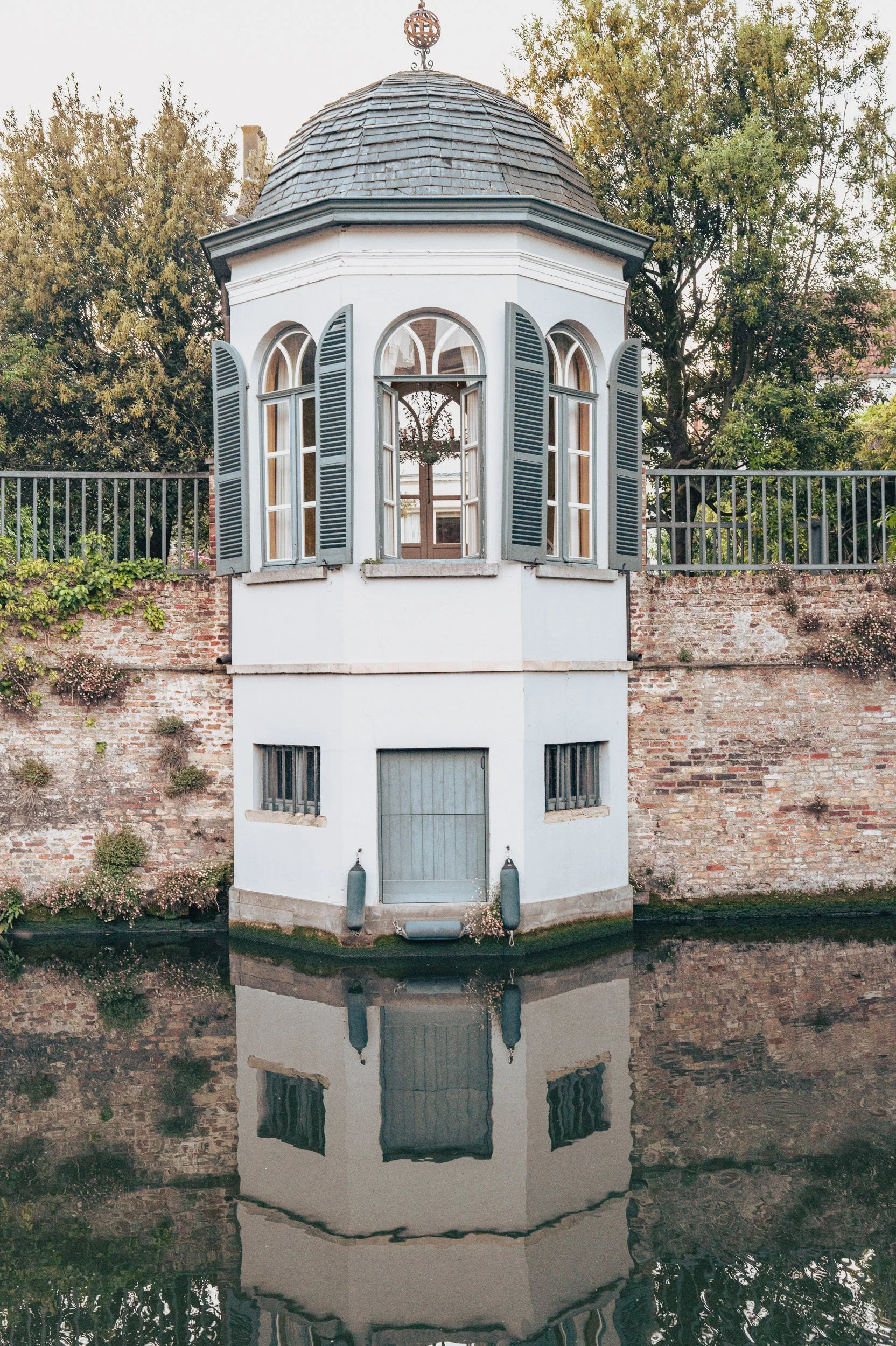
It wasn't the reflection itself that kept my attention, but what it does to the way we see things. Water distorts rather than reproduces. Glass changes with light and angle. What comes back is never exactly the same — and perhaps closer to the way a place stays with us.
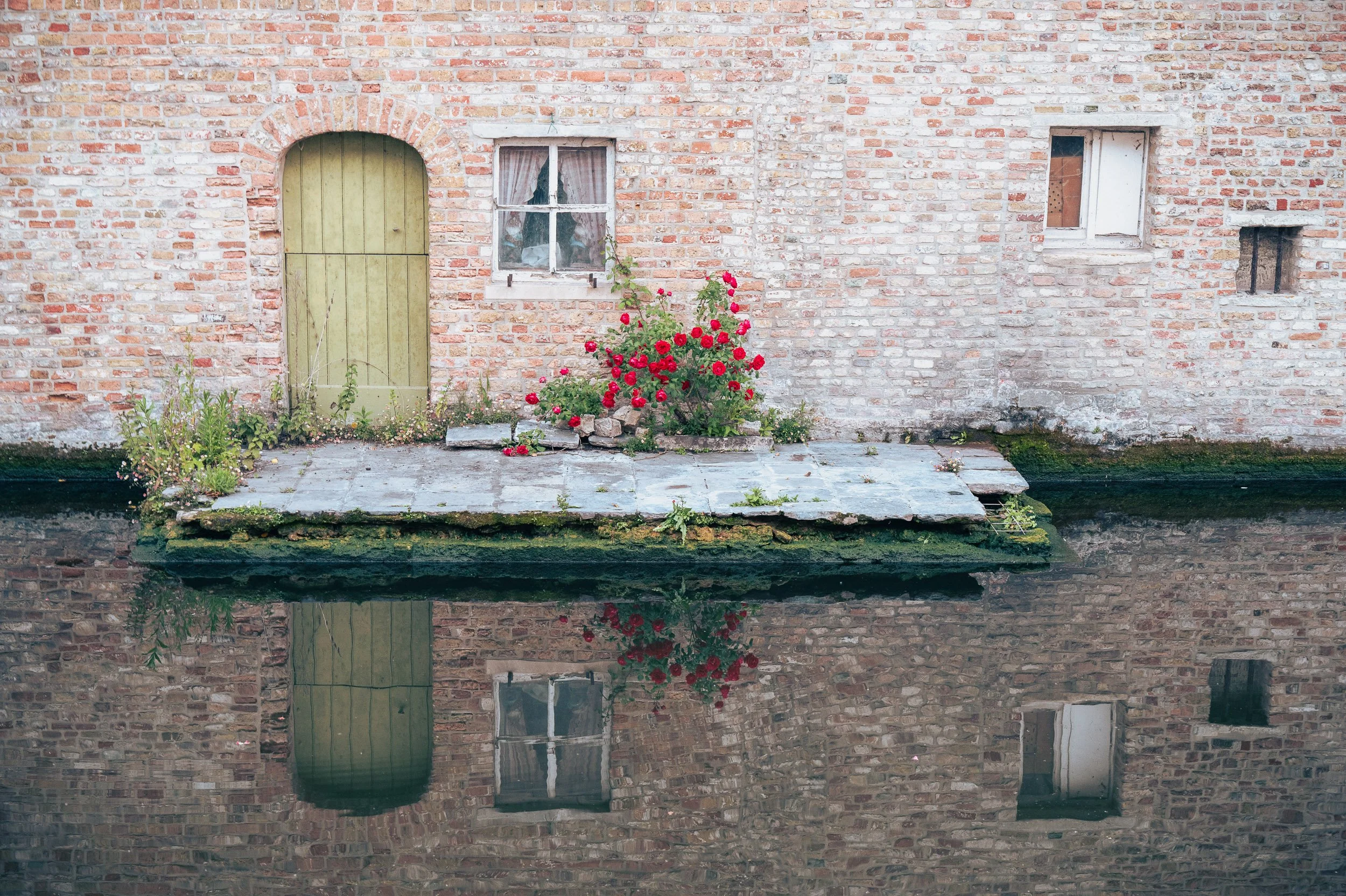
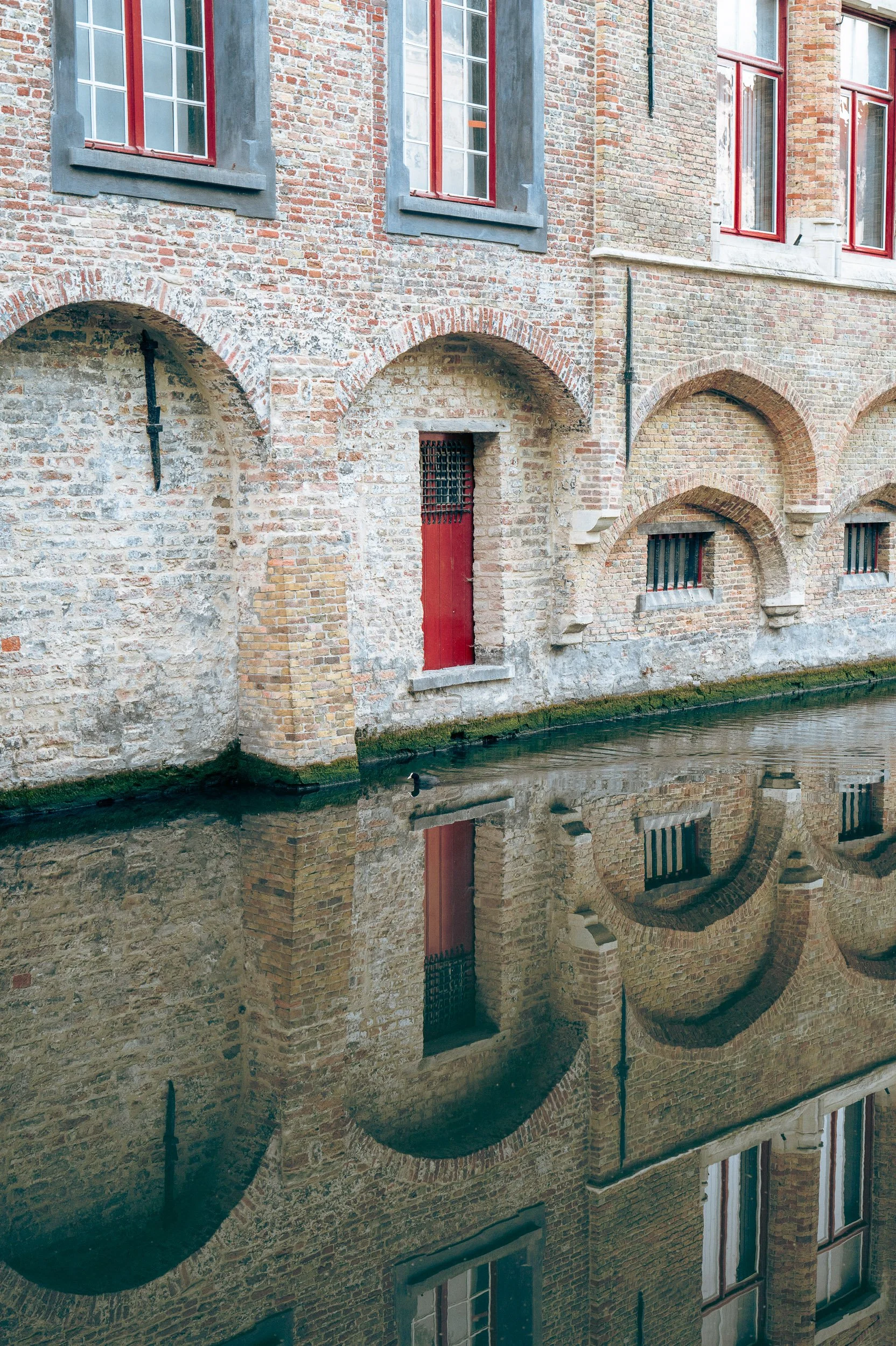
There is something about photographing reflections that asks for a different kind of attention. You stop looking directly at the subject and begin noticing the surface instead. The frame shifts. What matters becomes less the object itself and more the version that exists only briefly — only under these conditions, only now.
I think we often remember places less through landmarks and more through atmosphere: a quality of light, a moment of stillness, a colour noticed unexpectedly. I keep coming back to images I almost didn't take — moments that simply asked for a second look. Sometimes they end up being the ones I remember most.
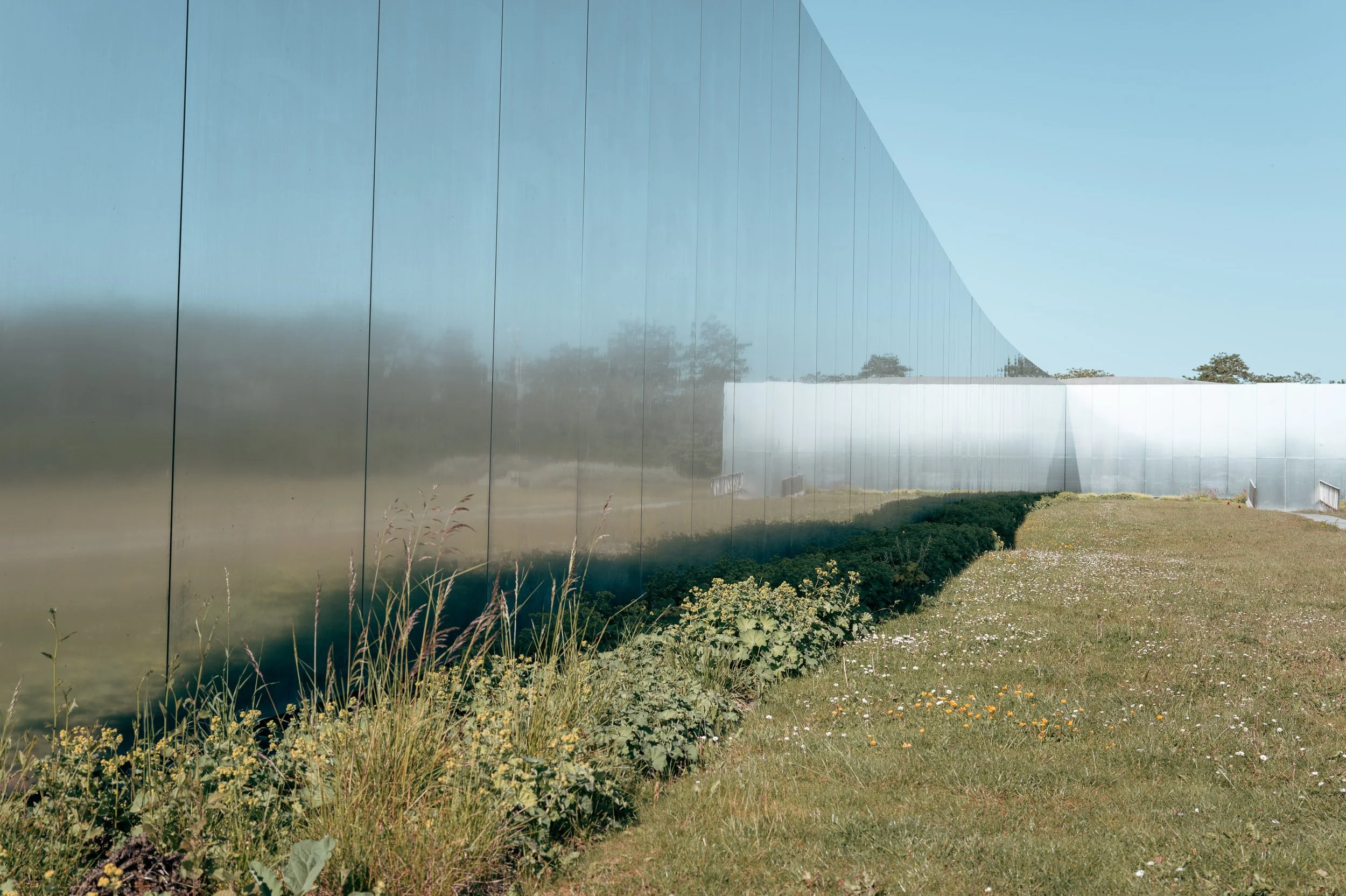
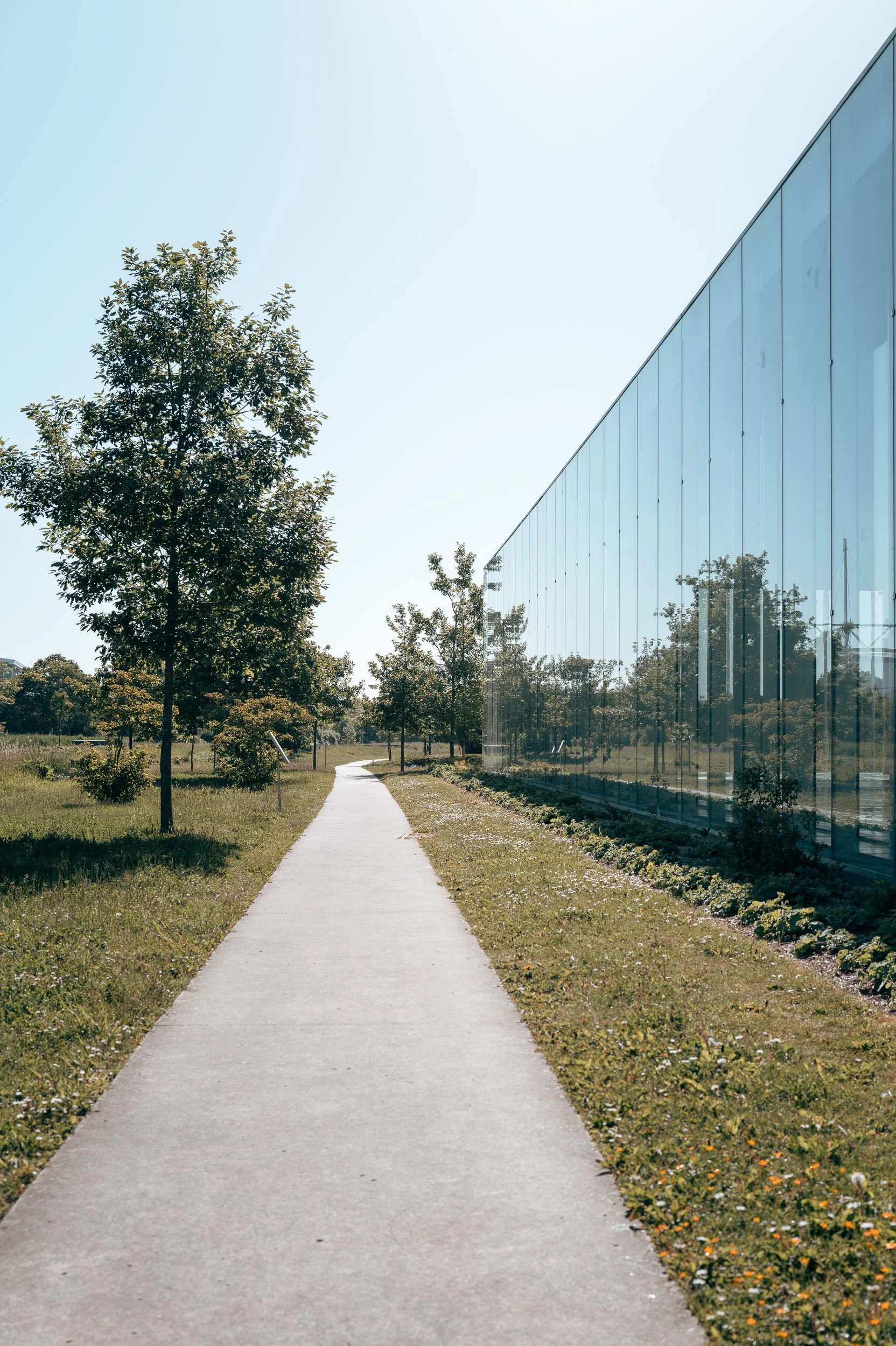
These images are fragments — moments when a surface briefly changed the way a place was seen, and perhaps the way it might be remembered.
Memory, like reflection, is rarely completely faithful. What returns is never quite the same, and perhaps that is part of what makes it interesting.
Jitka
You can explore earlier editions of Field Notes in the Journal archive.
